
Electrical Substation and Power Line Financing: Long-Term Capital Solutions for Modern Power Infrastructure

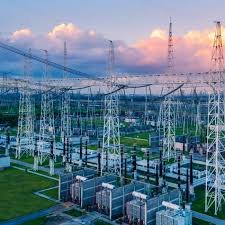
Introduction
As global demand for reliable electricity continues to rise, the development and modernization of electrical substations and power transmission lines have become critical infrastructure priorities. These projects are capital-intensive, technically complex, and designed for operational lifespans extending several decades. As a result, electrical substation and power line financing relies on sophisticated, long-term funding structures that align with predictable cash flows, regulatory frameworks, and global financial reporting standards.
This article explores the financing models, capital sources, and investment structures commonly used in large-scale power infrastructure projects, while highlighting how institutions like Winter Hill Financial Services Limited support developers, utilities, and investors with tailored, long-tenor funding solutions.
The Capital Intensity of Power Infrastructure Projects
Electrical substations and transmission lines typically require initial capital investments ranging from USD 5 million to over USD 500 million, depending on factors such as:
- Voltage capacity and grid scale
- Geographic location and terrain complexity
- Regulatory and environmental compliance requirements
- Integration with renewable energy sources
- Technology specifications and resilience standards
Because these assets are designed for long-term operation, financing structures must reflect extended depreciation schedules, stable revenue streams, and risk-adjusted returns in line with IFRS and GAAP accounting principles.
Common Financing Models for Electrical Substations and Power Lines
1. Corporate and Infrastructure Bonds
Infrastructure and utility bonds remain a cornerstone of power transmission financing. These instruments allow project sponsors to raise significant capital at competitive interest rates, supported by long-term asset performance and regulated income.
Key advantages:
- Long maturities aligned with asset life cycles
- Predictable debt servicing
- Suitable for institutional investors and pension funds
2. Syndicated Bank Loans
For large or multi-jurisdictional projects, syndicated loans are frequently used. Multiple lenders participate in a single financing facility, spreading risk while enabling access to substantial funding volumes.
Typical characteristics:
- Flexible structuring
- Floating or fixed interest options
- Phased drawdowns during construction
3. Business and Project Loans
Business loans structured around future cash flows from regulated tariffs or long-term power purchase agreements (PPAs) are common in substation and transmission line projects.
These loans are often:
- Non-recourse or limited-recourse
- Linked to operational milestones
- Structured to meet debt service coverage ratios (DSCRs)
4. Private Capital and Institutional Investment
Private equity, infrastructure funds, and sovereign investors play a growing role in grid infrastructure investment funding, particularly where public-private partnerships (PPPs) are involved.
Key Funding Sources in Power Infrastructure Development
Financing for electrical substations and power lines is typically sourced from a blend of:
- Utility company internal capital reserves
- Commercial and development banks
- Export credit agencies
- International financial institutions
- Specialized infrastructure finance providers
Institutions such as Winter Hill Financial Services Limited specialize in structuring funding solutions that align long-term capital with infrastructure-grade risk profiles.
Long-Term Financing Horizons: Why Tenor Matters
Power infrastructure assets are engineered for operational lives of 30 to 50 years. As such, financing tenors must support sustainable cash flow management and balance sheet stability.
Winter Hill Financial Services Limited offers long-term financing solutions spanning 25 to 30 years, which is consistent with global best practices for large-scale infrastructure projects. Funding instruments include:
- Infrastructure and corporate bonds
- Long-term business loans
- Syndicated loan facilities
These solutions are structured to support capital efficiency, regulatory compliance, and long-term investor confidence.
Alignment with Global Financial Reporting Standards
Modern infrastructure financing must be compatible with:
- IFRS requirements for asset recognition, revenue forecasting, and lease accounting
- GAAP standards for debt classification and long-term liabilities
- Transparent risk disclosure and cash flow modeling
Well-structured financing ensures accurate financial reporting, improved audit outcomes, and stronger credit positioning.
Why Strategic Financing Is Critical for Grid Reliability
Access to well-structured, long-term financing enables project sponsors to:
- Upgrade aging grid infrastructure
- Expand transmission capacity for renewable integration
- Enhance resilience against climate and demand volatility
- Maintain affordability for end consumers
Inadequate or mismatched financing can lead to cost overruns, delayed commissioning, and regulatory challenges.
Frequently Asked Questions (SEO-Optimized)
What is the typical cost of financing an electrical substation?
Project financing can range from USD 5 million to over USD 500 million, depending on scale, location, and technical complexity.
How long are power infrastructure loans usually structured for?
Most large-scale power transmission projects require 25 to 30-year financing tenors to match asset life cycles and cash flows.
What financing instruments are best for power line construction?
Common instruments include bonds, syndicated loans, and long-term business loans, often combined within a single capital structure.
- How to finance electrical substations
- Long-term financing for power transmission lines
- Electrical grid infrastructure funding solutions
- Syndicated loan financing for power projects
- Infrastructure bonds for utility companies
- Project finance models for substations
- Power transmission investment funding
- Utility-scale electrical infrastructure loans
- Grid modernization financing options
- International financing for power infrastructure
Contact Winter Hill Financial Services Limited
For tailored, long-term financing solutions for electrical substations, power lines, and large-scale infrastructure projects, connect with Winter Hill Financial Services Limited today.
Website:
https://winterhillfinancialltd.com
Email:
info@winterhillfinancialsltd.com
Phone:
+44 74 1346 7328
Address:
2nd Floor, Gaspé House
66–72 Esplanade
St Helier, Jersey, JE1 1GH
United Kingdom